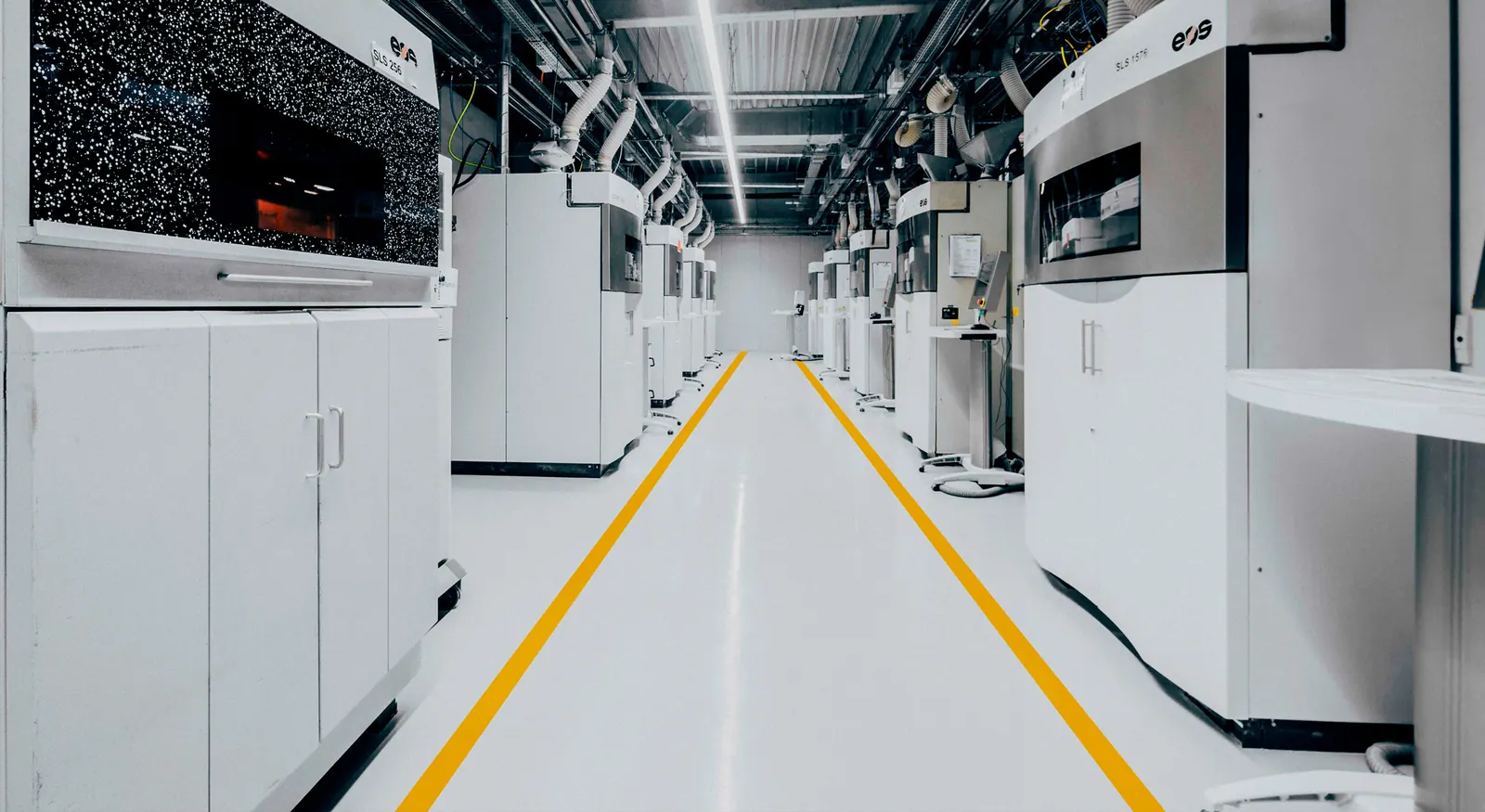
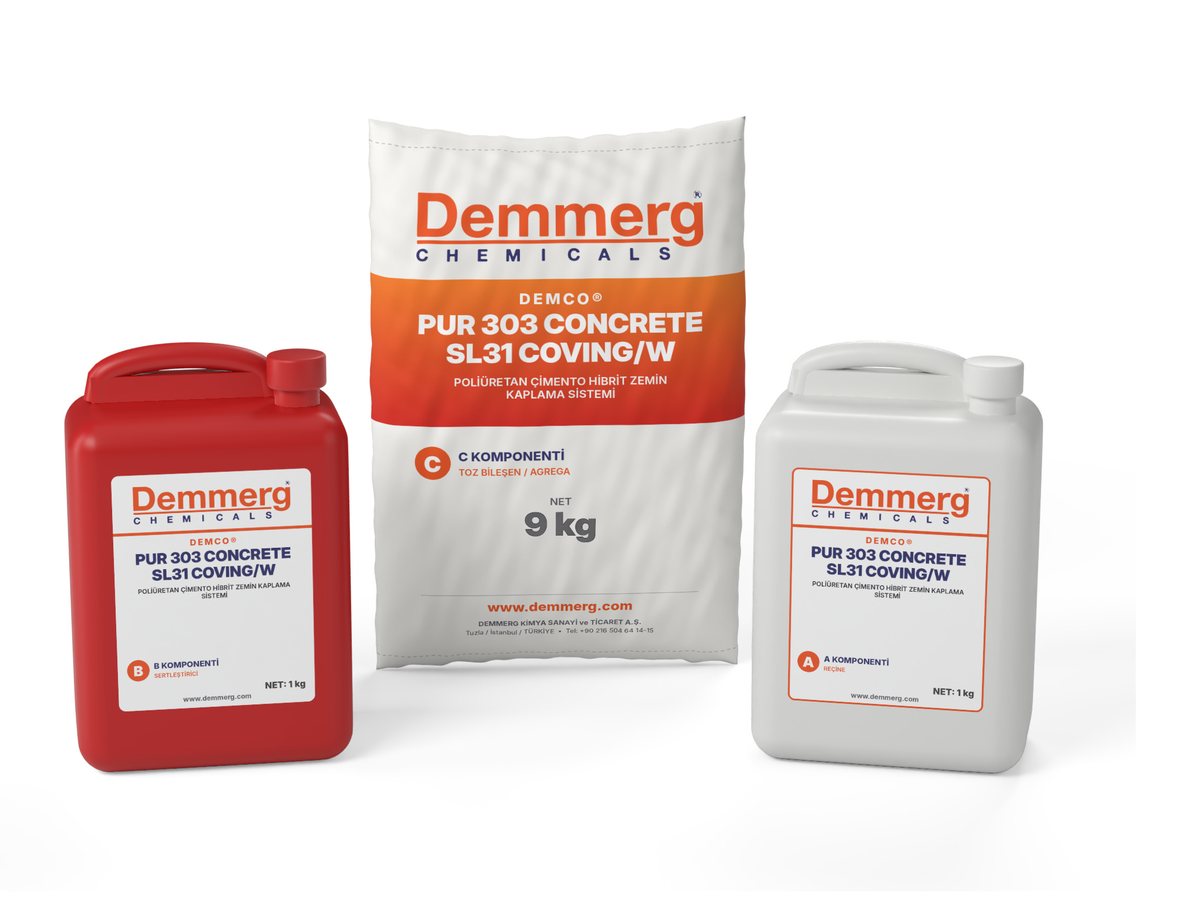
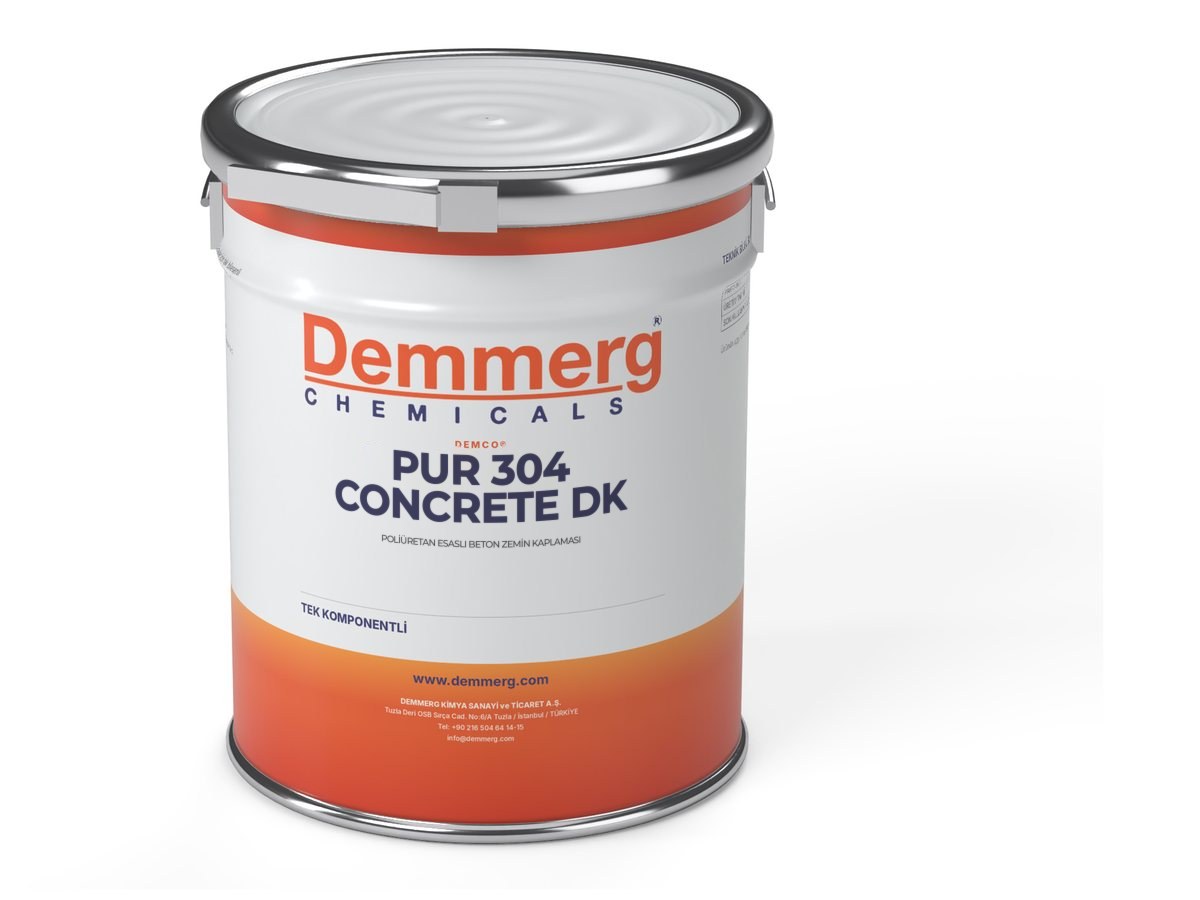
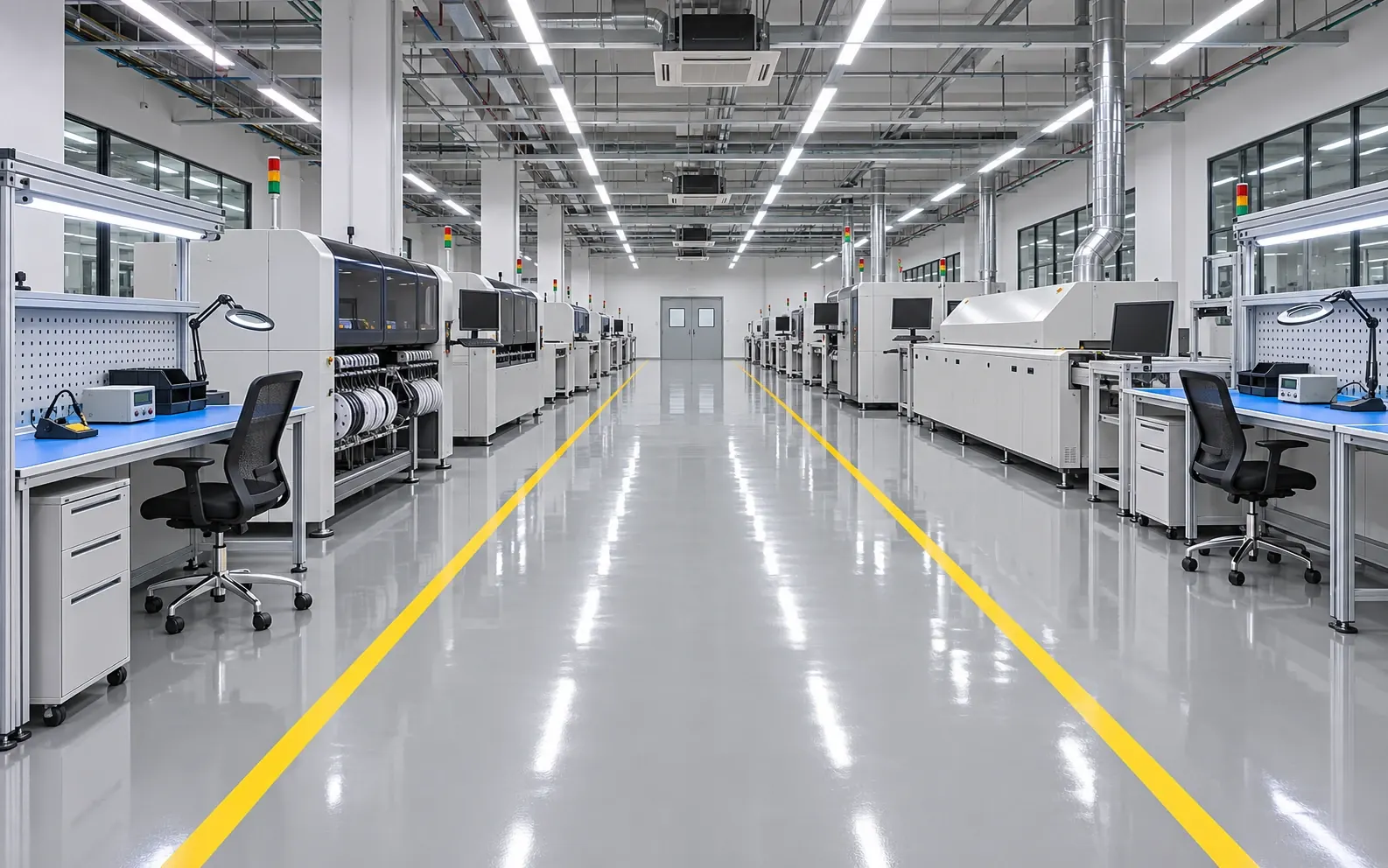
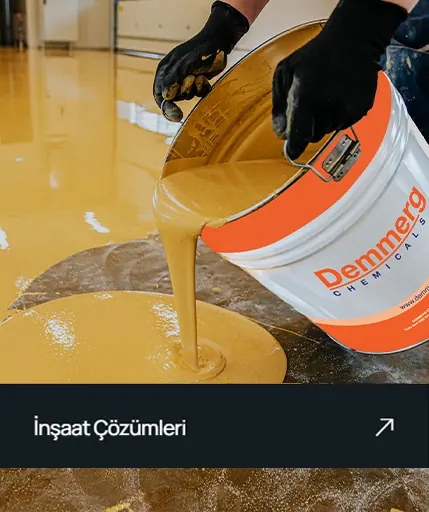
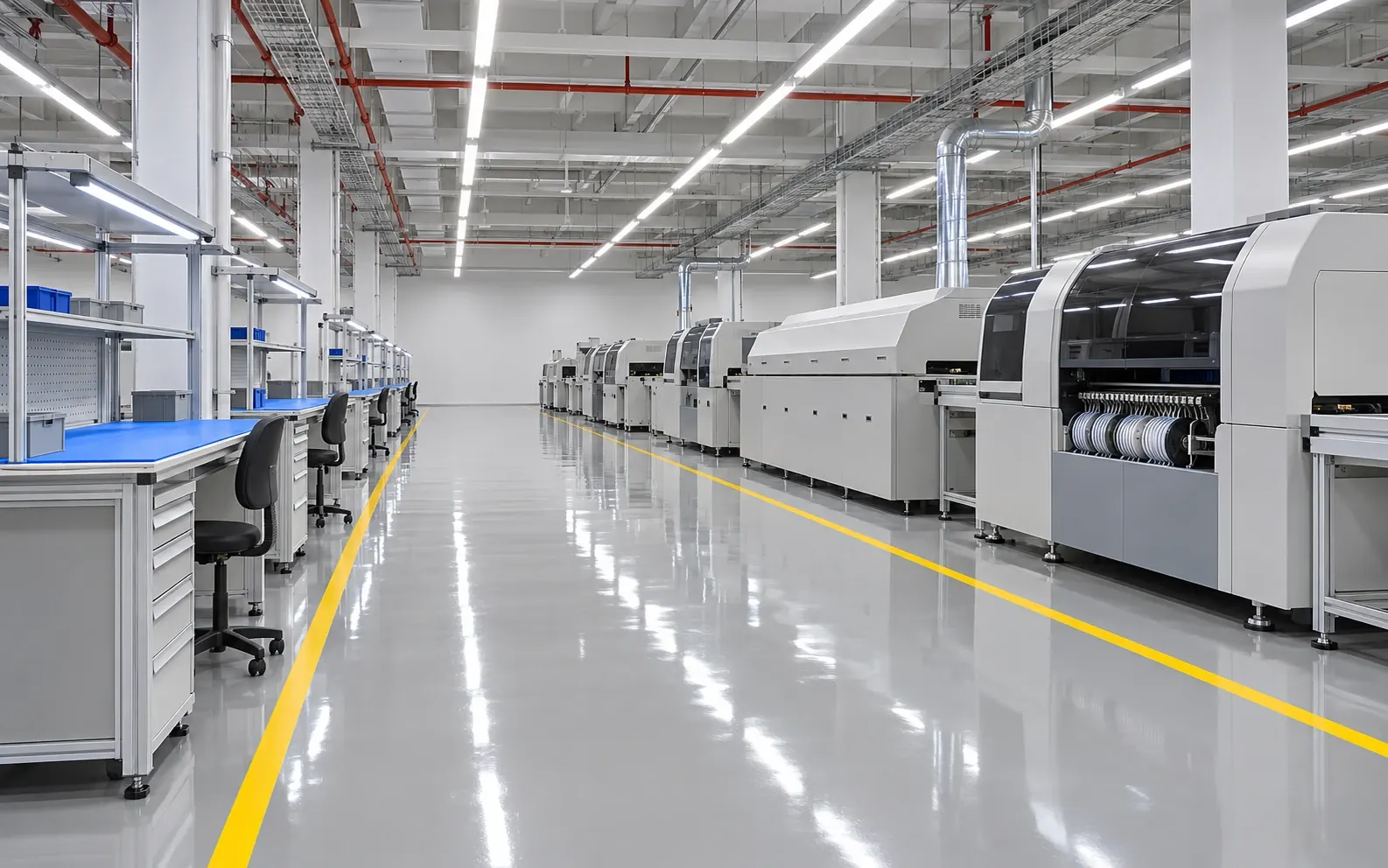
Polyurethane concrete (PU concrete) is a hybrid flooring system that combines polyurethane resin with cement and aggregate. It resists impact, abrasion, chemicals, thermal shock and hot-water or steam cleaning, which makes it the standard choice for food, beverage, pharmaceutical and chemical plants. Demmerg manufactures the DEMCO PUR 303 CONCRETE range of polyurethane concrete flooring.
DEMCO PUR 303 CONCRETE SL 20 UB/WB: heavy-duty self-leveling PU concrete applied at 6 mm or more. Compressive strength 75 MPa, slip resistance R 11 (EN 16165); resistant to thermal shock, intermittent live steam and hot-water cleaning, and freeze-thaw cycles. Coverage is about 2.1 kg/m² per mm.
DEMCO PUR 303 CONCRETE/W: water-based, slip-resistant PU concrete applied at 3–5 mm with adjustable surface texture. Compressive strength 50.8 MPa; coverage 6.0 kg/m² at 3 mm and about 9.2 kg/m² at 5 mm.
The products are water-based and tested to EN 1504-2 within the scope of the CE certificate.
Where is it used?
Meat, poultry and fish processing; dairy, bakery and confectionery production; beverage plants; pharmaceutical and chemical industries; laboratories; cold stores; wet and dry production and packaging areas. See the guides on food facility flooring and cold store flooring.
PU concrete or epoxy?
Rigid epoxy does not tolerate sudden temperature changes well, while PU concrete is formulated to withstand thermal shock and hot-water or steam cleaning. Choose epoxy flooring for areas at normal temperature and PU concrete for production areas that are washed with hot water or cycle between hot and cold. See Epoxy or polyurethane? or request a quote.
With your consent we use Google Analytics and Google Ads cookies to measure how the site is used and how our ads perform, and to show our ads again to people who visited the site. If you decline, these cookies are not set and the site works the same. Privacy and cookies
 EN
 tr
 de
 fr
 es
 pt
 it
 nl
 ru
 uk
 pl
 ro
 bg
 el
 ar
 fa
 az
 tk
 uz
 kk
 he