EN
 tr
 de
 fr
 es
 pt
 it
 nl
 ru
 uk
 pl
 ro
 bg
 el
 ar
 fa
 az
 tk
 uz
 kk
 he

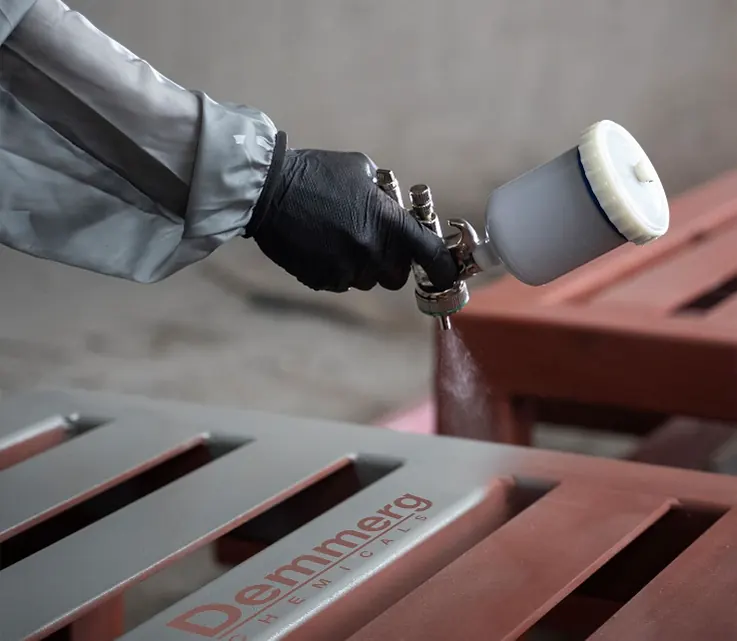
Short answer: in practice, most defects in 2K clear coat come from wrong mixing, over-thinning, coats that are too heavy, a dirty or not fully dried base, and taping, assembly or polishing done too early. ACRYLIC VERNISH 2K is mixed 2:1 by volume with the hardener AKRİLİK SERTLEŞTİRİCİ, thinned if needed with AKRİLİK TİNER (acrylic thinner) by up to 20% by volume, and the mixture is used within 5 hours at 25 °C. The clear coat is applied over a fully dried and cleaned basecoat; before baking, allow 10 minutes at 25 °C. Assembly, taping and polishing require drying for 10 hours at 25 °C or 30 minutes at 60 °C.
The product values below are taken from the technical data sheets of ACRYLIC VERNISH 2K and the related products; the general causes of the defects are field experience, marked "in practice".
Data sheet values of ACRYLIC VERNISH 2K
ACRYLIC VERNISH 2K is a two-component car refinish clear coat based on acrylic aliphatic isocyanate. According to its data sheet, it offers high gloss retention, elasticity and mechanical and chemical resistance, is compatible with all basecoat systems, and is used for complete resprays, repairs and refinishing over OEM paints, previously painted surfaces and basecoat surfaces.
| Property | Value |
|---|---|
| Mixing ratio (by volume) | Clear coat : AKRİLİK SERTLEŞTİRİCİ = 2 : 1 |
| Pot life (25 °C, after adding the hardener) | 5 hours |
| Thinner | AKRİLİK TİNER, up to 20% by volume |
| Mixed viscosity (DIN Cup 4 / DIN 53211) | 65–85 s |
| Solids content (TS EN ISO 3251) | 53 ± 1% |
| Mixed density (20 °C, TS EN ISO 2811-1) | 1 ± 0.05 g/cm³ |
| Flash-off before baking | 10 minutes at 25 °C |
| Drying for assembly, taping and polishing | 10 hours at 25 °C · 30 minutes at 60 °C |
| Maximum waiting time after sanding before applying a coat | 12 hours |
According to the data sheet, drying may take longer if the coats are applied very thick. The data sheet does not give an application temperature, relative humidity range, flash-off time between coats, film thickness per coat or spray gun settings; set these with our technical team. Drying times are given only for 25 °C and 60 °C. In practice, drying takes longer as the temperature falls; at lower temperatures, set the timing of taping, assembly and polishing with our technical team as well.
Defects and prevention at a glance
| Defect | Common cause in practice | Value in the data sheet |
|---|---|---|
| No cure, soft film | Ratio judged by eye, a different hardener, mixture past its pot life | 2:1 by volume with AKRİLİK SERTLEŞTİRİCİ; use within 5 hours at 25 °C |
| Runs and sags | Coats too heavy or applied too quickly on top of each other, over-thinning | At most 20% AKRİLİK TİNER; heavy coats slow drying |
| Orange peel | Thick mixture, thin and dry coat, unsuitable gun settings | Mixed viscosity 65–85 s (DIN 4); thin by up to 20% if needed |
| Dull finish, loss of gloss | Basecoat not dry, moisture, wrong ratio, polishing too early | Fully dried and clean basecoat; no moisture left in the equipment; 10 hours at 25 °C before polishing |
| Dust and dirt | Surface not cleaned, dusty environment, dirty equipment | Cleaned surface; equipment cleaned immediately after use |
| Bubbles, pinholes | Heavy coats, baking before the solvent has evaporated | 10 minutes at 25 °C before baking |
| Poor adhesion, peeling | Greasy or dirty base, long wait after sanding | Next coat within 12 hours of sanding at the latest |
| Tape and assembly marks | Taping or fitting parts before the film has dried | Drying for 10 hours at 25 °C or 30 minutes at 60 °C |
Wrong mixing and thinning
In practice, a large share of defects starts at the mixing stage: a ratio judged by eye, a different hardener or a mixture past its pot life can leave a film that does not cure, stays soft or loses its gloss. According to the data sheet:
- The clear coat and AKRİLİK SERTLEŞTİRİCİ are mixed 2:1 by volume; the product is shaken thoroughly before application.
- The pot life is 5 hours at 25 °C.
- If thinning is needed, it is done only with AKRİLİK TİNER, by up to 20% by volume.
AKRİLİK ASTAR 2K – 4:1 is mixed with the same hardener, but at a ratio of 4:1. As the ratios differ, prepare the two mixtures in separate containers; use a cup graduated by volume for the clear coat.
Runs, sags and orange peel
A run is excess material sagging down a vertical surface and leaving drips or curtains. Orange peel is a film that does not flow out fully and takes on a wavy texture like the skin of an orange. In practice, runs mostly come from coats that are too heavy or applied too quickly on top of each other and from over-thinning, while orange peel comes from a thick mixture, a thin and dry coat, or an unsuitable gun distance and pressure; in other words, a coat that is too wet runs and a coat that is too dry shows orange peel.
- Keep thinning within the 20% limit; the mixed viscosity in the data sheet is 65–85 seconds in a DIN 4 cup.
- The data sheet does not give a film thickness per coat, but states that very heavy coats slow drying.
- Gun nozzle size, pressure and distance are not in the data sheet; set these with our technical team.
In practice, small runs and orange peel are corrected by fine sanding and polishing once the clear coat has fully dried. The polishing dry time in the data sheet is 10 hours at 25 °C or 30 minutes at 60 °C.
Dull finish and loss of gloss
A clear coat can be dull from the start, or look glossy at first and dull down later. In practice, the main causes are applying the clear coat before the basecoat is fully dry, moisture getting into the mixture or the gun, a wrong ratio and polishing too early. According to the data sheet:
- The clear coat is applied only over a fully dried and cleaned basecoat.
- All moisture is removed from the painting equipment before use.
- Polishing waits for drying of 10 hours at 25 °C or 30 minutes at 60 °C.
Dust, bubbles and pinholes
Dust is particles sticking to the wet clear coat and leaving small bumps on the surface; in practice it comes from an uncleaned surface, a dusty environment and dirty equipment. Bubbles and pinholes form when solvent or air is trapped in the film; in practice, heavy coats and baking before the solvent has evaporated are the main causes.
- According to the data sheet, the clear coat is applied to a cleaned surface and the equipment is cleaned thoroughly immediately after use.
- Parts that will be baked wait 10 minutes at 25 °C before going into the booth.
- In practice, dust nibs are removed by sanding and polishing once the clear coat has fully dried.
Adhesion problems and peeling
If adhesion is weak, the clear coat can flake off with tape or impact. In practice, the most common causes are surfaces with grease, silicone or fingerprints left on them, and surfaces left standing too long after sanding.
- According to its data sheet, ACRYLIC VERNISH 2K is applied over OEM paints, previously painted surfaces and basecoat surfaces, and is compatible with all basecoat systems.
- After sanding, a coat must be applied within 12 hours at most.
- The same time applies to the primer: after AKRİLİK ASTAR 2K – 4:1 has been sanded, the next coat must be applied within 12 hours at the latest.
Early taping, assembly and repair blends
In practice, the job is considered finished once the clear coat is dry to the touch, and tape or parts are fitted too early, which leaves tape and pressure marks. According to the data sheet, assembly, taping and polishing require drying for 10 hours at 25 °C or 30 minutes at 60 °C.
In a spot repair, a visible line can remain between the new clear coat and the old paint. The data sheet describes applying the second coat over a wider area than the first, then spreading thinned clear coat once more over an area wider than before, and melting in the previous coat with AKRİLİK TİNER. Confirm the thinning ratio for this last pass with our technical team.
Frequently asked questions
How many coats of 2K clear coat are applied?
The data sheet of ACRYLIC VERNISH 2K describes two applications; the second is applied over a wider area than the first. This is followed by one more pass with thinned clear coat over a wider area. The data sheet does not give a film thickness per coat.
How much can 2K clear coat be thinned?
If needed, by up to 20% by volume with AKRİLİK TİNER. In practice, going beyond this limit increases the risk of runs.
When can 2K clear coat be polished?
According to the data sheet, the polishing dry time is 10 hours at 25 °C or 30 minutes at 60 °C; the same times apply to assembly and taping. If the coats are very heavy, this may take longer.
Why does clear coat go dull?
In practice, the most common causes are applying clear coat before the basecoat is fully dry, moisture in the equipment or the mixture, a wrong mixing ratio and polishing too early. According to the data sheet, the clear coat is applied over a fully dried and cleaned basecoat after mixing it 2:1 by volume with AKRİLİK SERTLEŞTİRİCİ.
What are the other products on the varnishes page used for?
DEMCO PUR 421 UVS-R is developed for floors and surfaces that need slip resistance, pool surrounds and areas exposed to atmospheric corrosion; DEMCO PUR 450 UVM/W for epoxy and polyurethane floor systems and surfaces such as terrazzo and microcement. Both are mixed by weight; the values in this guide do not apply to them.
For mixing and applying the primer, see 2K Acrylic Primer 4:1: Mixing and Application.
Tell us your basecoat system, your drying options (ambient temperature or a 60 °C bake booth) and the defect you are seeing in the quote form, and our technical team will work out the application conditions with you. For all products, see the varnishes page.